Top 10 Cryptocurrencies to Watch in 2026
Introduction
The cryptocurrency industry has evolved dramatically over the past decade. What began with Bitcoin as a revolutionary digital currency has transformed into a global ecosystem filled with thousands of blockchain projects, decentralized applications, digital assets, and financial innovations. In 2026, cryptocurrency is no longer viewed as a niche technology. Major financial institutions, governments, technology companies, and retail investors continue to explore blockchain solutions and digital assets as part of the future economy.
For investors, the biggest challenge is identifying which cryptocurrencies have the strongest potential for long-term growth. Not every project survives market cycles, and many cryptocurrencies disappear after a few years. Successful investors focus on projects with strong technology, active development teams, real-world utility, growing adoption, and healthy ecosystems. This article explores ten cryptocurrencies that deserve attention in 2026 based on their technology, adoption, innovation, and market relevance.
Why Cryptocurrency Matters in 2026
Cryptocurrency has expanded far beyond simple digital payments. Modern blockchain networks support decentralized finance (DeFi), gaming, digital identity systems, tokenized assets, artificial intelligence integrations, and global payment networks. These innovations are reshaping industries that have traditionally relied on centralized intermediaries.
The rise of institutional adoption has also increased confidence in the crypto sector. Investment firms, hedge funds, and publicly traded companies continue to allocate resources to digital assets. As regulatory frameworks become clearer in many countries, cryptocurrencies are gradually becoming integrated into mainstream financial systems.
Investors watching the market in 2026 are not simply looking for the next coin that might increase in value. They are searching for projects capable of delivering long-term utility and solving real-world problems.
Factors Used to Select These Cryptocurrencies
Before examining individual cryptocurrencies, it is important to understand the criteria used for selection.
Key factors include:
- Market adoption
- Technology and innovation
- Developer activity
- Ecosystem growth
- Security and decentralization
- Real-world utility
- Long-term sustainability
Projects that demonstrate strong performance across these categories are generally better positioned to remain relevant as the industry continues evolving.
1. Bitcoin (BTC)
Why Bitcoin Remains Dominant
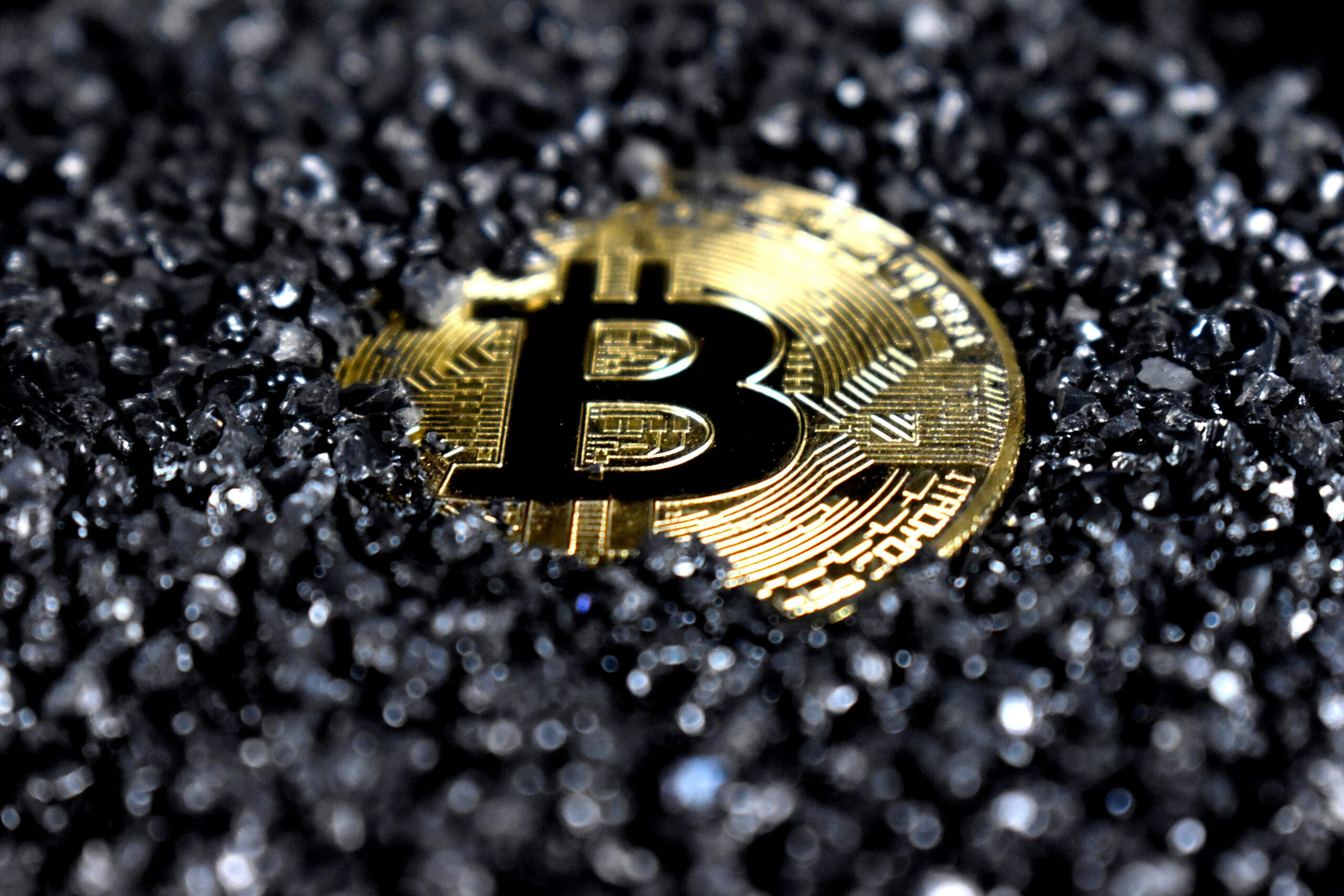
Bitcoin remains the undisputed leader of the cryptocurrency market. As the first cryptocurrency ever created, Bitcoin has established itself as the benchmark against which all other digital assets are measured.
Bitcoin’s fixed supply of 21 million coins creates scarcity that many investors compare to gold. This characteristic has earned Bitcoin the nickname “digital gold.” Institutional investors increasingly view Bitcoin as a long-term store of value and hedge against monetary uncertainty.
The network’s security, decentralization, and proven history make Bitcoin one of the safest and most trusted cryptocurrency investments available. Even as new technologies emerge, Bitcoin continues to maintain its position as the foundation of the cryptocurrency industry.
2. Ethereum (ETH)
The Power of Smart Contracts
Ethereum transformed blockchain technology by introducing smart contracts. These programmable contracts allow developers to create decentralized applications without relying on traditional intermediaries.
Today, Ethereum powers a massive ecosystem that includes decentralized finance platforms, NFT marketplaces, blockchain games, and enterprise applications. Thousands of developers actively build on Ethereum, making it the largest smart contract platform in the world.
Ethereum’s continued upgrades and strong developer community position it as one of the most important cryptocurrencies to watch throughout 2026 and beyond.
3. Solana (SOL)
Solana has emerged as one of the fastest blockchain networks in the cryptocurrency industry. Known for its high transaction throughput and low fees, Solana has become a popular platform for decentralized applications and blockchain gaming.
Developers are increasingly attracted to Solana because it offers scalability without sacrificing performance. The network’s growing ecosystem includes decentralized exchanges, NFT projects, payment applications, and social platforms.
As demand for high-speed blockchain infrastructure continues growing, Solana remains one of the strongest competitors in the smart contract space.
4. Binance Coin (BNB)
Binance Coin serves as the native asset of one of the largest cryptocurrency ecosystems in the world. Originally launched to provide trading fee discounts, BNB has evolved into a utility token supporting a wide range of blockchain applications.
The Binance ecosystem includes decentralized finance services, staking opportunities, payment systems, and blockchain development tools. This broad utility helps create consistent demand for BNB across multiple sectors.
Its strong ecosystem and widespread adoption continue to make BNB a cryptocurrency worth monitoring closely in 2026.
5. XRP (XRP)
XRP focuses on improving global payments and cross-border money transfers. Traditional international payment systems often involve delays, high costs, and multiple intermediaries.
XRP aims to solve these problems by providing faster and more efficient transaction settlement. Financial institutions and payment providers continue exploring blockchain-based solutions for international transfers, creating potential opportunities for XRP’s long-term growth.
Its unique focus on payment infrastructure distinguishes XRP from many other cryptocurrency projects.
6. Cardano (ADA)
Cardano is known for its research-driven approach to blockchain development. Unlike many projects that prioritize rapid deployment, Cardano emphasizes peer-reviewed research and academic rigor.
The platform supports smart contracts, decentralized applications, and blockchain-based solutions across multiple industries. Its focus on sustainability, scalability, and governance has attracted a loyal community of developers and investors.
Cardano’s methodical development strategy may position it well for long-term adoption as blockchain technology matures.
7. Avalanche (AVAX)
Avalanche has gained popularity due to its ability to process transactions quickly while maintaining strong decentralization. The platform supports custom blockchain networks and decentralized applications.
One of Avalanche’s biggest strengths is flexibility. Developers can create specialized blockchain environments tailored to specific use cases while remaining connected to the broader ecosystem.
As businesses increasingly explore blockchain solutions, Avalanche’s adaptability may contribute to continued growth in the coming years.
8. Chainlink (LINK)
Chainlink plays a critical role in the blockchain ecosystem by providing decentralized oracle services. Oracles connect smart contracts with real-world data, allowing blockchain applications to access information such as prices, weather conditions, and financial data.
Without reliable data feeds, many decentralized applications would not function effectively. Chainlink has established itself as the leading oracle network, making it an essential infrastructure project within the cryptocurrency industry.
As smart contract adoption expands, demand for secure and accurate data solutions is likely to increase.
9. Polkadot (DOT)
Polkadot focuses on interoperability, which refers to the ability of different blockchain networks to communicate with each other. The project aims to create an interconnected blockchain ecosystem rather than isolated networks operating independently.
This vision could become increasingly important as the number of blockchain platforms continues growing. By enabling communication between networks, Polkadot seeks to improve efficiency and collaboration across the broader blockchain industry.
Its technology addresses one of the most significant challenges facing blockchain adoption today.
10. Sui (SUI)
Sui is one of the newer blockchain projects attracting attention from developers and investors. Designed for scalability and user-friendly experiences, Sui aims to support high-performance decentralized applications.
The platform focuses on efficient transaction processing and simplified user interactions. These features may help reduce barriers to adoption and encourage broader participation in blockchain ecosystems.
As emerging blockchain platforms compete for market share, Sui represents a project with considerable growth potential.
Comparison Table
| Cryptocurrency | Primary Use Case | Strength |
|---|---|---|
| Bitcoin (BTC) | Store of Value | Security & Scarcity |
| Ethereum (ETH) | Smart Contracts | Largest Developer Ecosystem |
| Solana (SOL) | High-Speed Applications | Fast Transactions |
| BNB | Ecosystem Utility | Strong Adoption |
| XRP | Global Payments | Payment Efficiency |
| Cardano (ADA) | Smart Contracts | Research-Based Development |
| Avalanche (AVAX) | Custom Blockchains | Flexibility |
| Chainlink (LINK) | Data Oracles | Infrastructure Utility |
| Polkadot (DOT) | Interoperability | Cross-Chain Connectivity |
| Sui (SUI) | Scalable Applications | Performance |
Risks of Investing in Cryptocurrency
Despite the opportunities, cryptocurrency investing carries significant risks. Prices can fluctuate dramatically due to market sentiment, regulations, economic conditions, and technological developments.
Other risks include:
- Regulatory changes
- Security breaches
- Competition from newer technologies
- Market volatility
- Project failures
Investors should conduct thorough research before purchasing any cryptocurrency and avoid investing money they cannot afford to lose.
Future Outlook
The cryptocurrency industry continues evolving at an extraordinary pace. Artificial intelligence, decentralized finance, tokenized real-world assets, blockchain gaming, and digital identity solutions are creating new opportunities across the sector.
Projects that provide real utility, strong security, and active ecosystems are more likely to remain relevant over the long term. While no investment is guaranteed, the cryptocurrencies listed in this article represent some of the most promising projects to watch throughout 2026.
The future may belong not only to digital currencies but also to blockchain networks that power entire digital economies.
Conclusion
Cryptocurrency remains one of the most innovative sectors in modern finance and technology. While thousands of projects compete for attention, only a handful have demonstrated the combination of adoption, utility, and development necessary for long-term success.
Bitcoin continues leading as digital gold, Ethereum dominates smart contracts, Solana pushes performance boundaries, and projects like Chainlink, Avalanche, and Polkadot provide critical infrastructure for the blockchain ecosystem.
Investors who focus on fundamentals rather than hype are often better positioned to identify opportunities and manage risk effectively. As blockchain adoption expands globally, these ten cryptocurrencies deserve close attention throughout 2026.
FAQs
1. Which cryptocurrency is considered the safest investment?
Bitcoin is generally considered the safest cryptocurrency because of its security, adoption, and long operational history.
2. Is Ethereum better than Bitcoin?
Ethereum and Bitcoin serve different purposes. Bitcoin focuses on value storage, while Ethereum powers decentralized applications and smart contracts.
3. Can smaller cryptocurrencies outperform Bitcoin?
Yes. Smaller cryptocurrencies may generate higher returns, but they also carry significantly greater risks.
4. What should beginners invest in first?
Many beginners start with Bitcoin and Ethereum because they are the most established cryptocurrencies in the market.
5. Are cryptocurrencies still worth investing in during 2026?
Many investors believe cryptocurrencies continue offering opportunities, but success depends on research, risk management, and long-term thinking.