
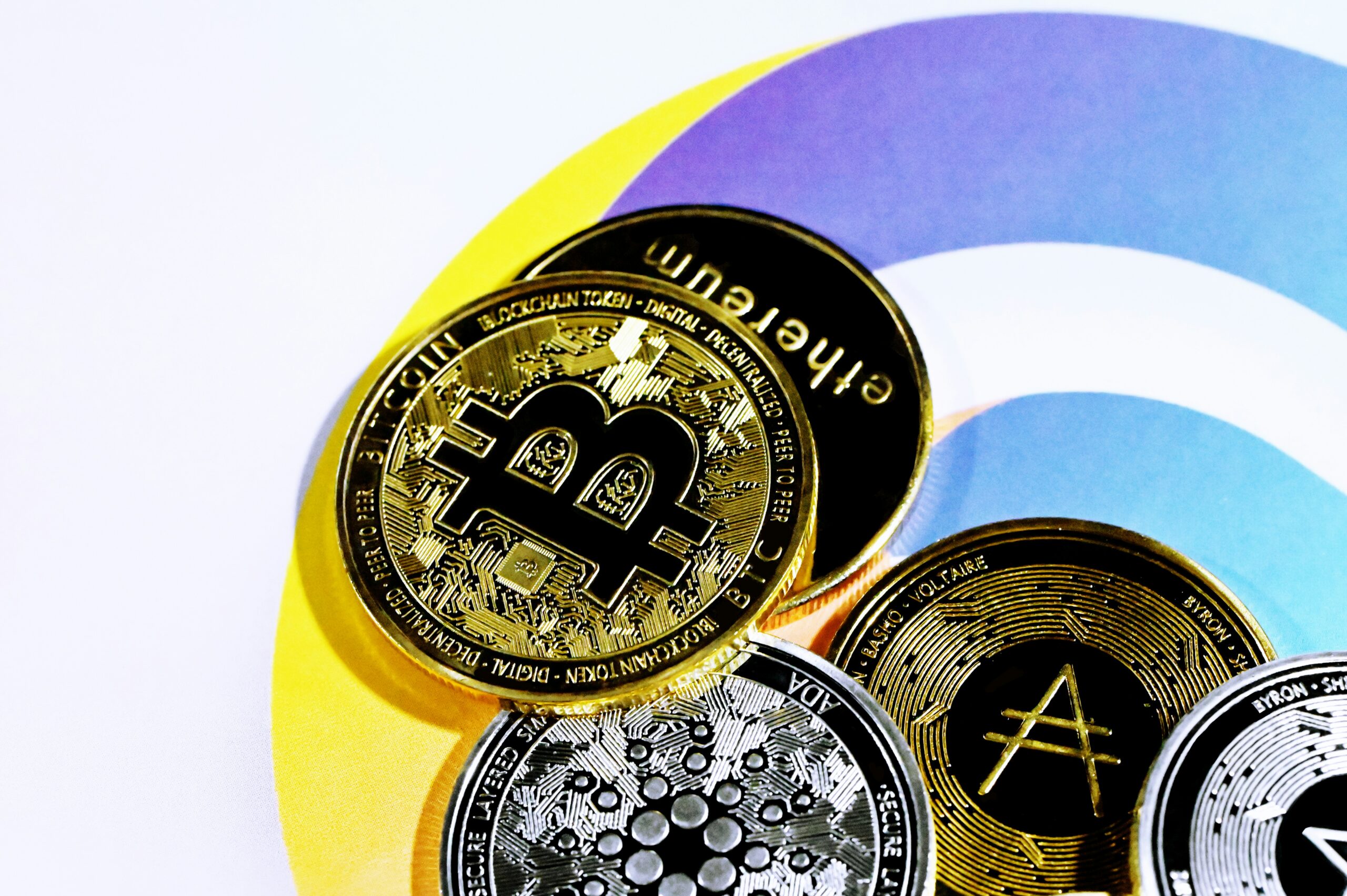
Best Crypto Wallets for Beginners
Introduction
Cryptocurrency has become one of the fastest-growing sectors in the financial world. Millions of people are buying Bitcoin, Ethereum, and other digital assets every year. While purchasing cryptocurrency is relatively easy, storing it safely is often the biggest challenge for beginners. This is where crypto wallets come into play. A crypto wallet is one of the most important tools for anyone entering the cryptocurrency market because it allows users to store, manage, and transfer digital assets securely.
Choosing the right wallet can feel overwhelming for beginners. There are hundreds of options available, each offering different features, security levels, and supported cryptocurrencies. Some wallets focus on simplicity, while others prioritize advanced functionality. The ideal beginner wallet should strike a balance between ease of use and strong security. This guide explores the best crypto wallets for beginners in 2026, helping new investors make informed decisions and protect their digital assets.
What Is a Crypto Wallet?
A crypto wallet is a digital tool that allows users to store and manage their cryptocurrencies. Contrary to popular belief, crypto wallets do not actually store coins. Instead, they store the private keys needed to access and control cryptocurrency on the blockchain.
Think of a crypto wallet like an online banking app. Your money does not physically exist inside the app, but the app provides access to your account and allows you to manage your funds. Similarly, crypto wallets provide access to your blockchain assets through secure cryptographic keys.
How Crypto Wallets Work
Every crypto wallet contains two important components: a public key and a private key. The public key works like an account number that others can use to send cryptocurrency to you. The private key functions like a secret password that grants access to your funds.
When you make a transaction, your wallet uses the private key to sign and authorize it. This process ensures that only the rightful owner can move the assets. If someone gains access to your private key, they can control your cryptocurrency. This is why wallet security is critical.
Why Beginners Need a Wallet
Many beginners leave their cryptocurrency on exchanges after purchasing it. While this may seem convenient, it introduces additional risks. Exchanges can experience hacks, outages, or regulatory issues that may affect access to funds.
A personal crypto wallet provides greater control and ownership. It allows users to hold their assets independently and reduces reliance on third parties. Learning to use a wallet is one of the first steps toward becoming a responsible cryptocurrency investor.
Types of Crypto Wallets
Before choosing a wallet, beginners should understand the two primary wallet categories.
Hot Wallets
Hot wallets are connected to the internet. These wallets are available as mobile apps, desktop applications, or browser extensions. They offer convenience and quick access to funds.
Advantages of hot wallets include:
- Easy setup
- Fast transactions
- User-friendly interfaces
- Free to use
However, because hot wallets remain online, they are generally more vulnerable to cyberattacks and malware than offline storage solutions.
Cold Wallets
Cold wallets store private keys offline. Hardware wallets are the most popular type of cold wallet and are often considered the most secure storage option.
Benefits include:
- Strong protection against hacking
- Offline storage
- Enhanced security for long-term holdings
The trade-off is convenience. Cold wallets require additional steps to access and transfer funds, making them slightly less beginner-friendly.
Features Beginners Should Look For
Selecting the best crypto wallet involves evaluating several key features.
Security
Security should always be the top priority. A good wallet should offer encryption, biometric login, backup options, and recovery phrases. Some wallets also support two-factor authentication for added protection.
Ease of Use
Beginners benefit from wallets with intuitive interfaces and simple navigation. Complex technical features can create confusion and increase the risk of user mistakes.
Supported Cryptocurrencies
Different wallets support different assets. Some wallets focus primarily on Bitcoin, while others support thousands of cryptocurrencies across multiple blockchains. Choosing a wallet with broad compatibility allows investors to diversify their portfolios more easily.
Best Crypto Wallets for Beginners in 2026
1. Trust Wallet
Trust Wallet remains one of the most popular choices for beginners. Owned by Binance, it offers a clean interface and supports thousands of cryptocurrencies across multiple blockchain networks.
Key features include:
- Mobile-friendly design
- Built-in staking options
- NFT support
- Easy token management
Trust Wallet is especially suitable for users who want a simple mobile experience without sacrificing flexibility.
2. Coinbase Wallet
Coinbase Wallet is designed with beginners in mind. It provides an easy onboarding process and integrates smoothly with the Coinbase ecosystem.
Advantages include:
- User-friendly interface
- Secure cloud backups
- Support for decentralized applications (dApps)
- Multi-chain compatibility
For users already familiar with Coinbase Exchange, Coinbase Wallet offers a natural transition into self-custody.
3. MetaMask
MetaMask is one of the most widely used cryptocurrency wallets in the world. Initially focused on Ethereum, it now supports multiple blockchain networks.
Benefits include:
- Browser extension and mobile app
- Access to decentralized finance (DeFi)
- NFT management
- Strong developer ecosystem
MetaMask is ideal for users interested in exploring Web3 applications, decentralized exchanges, and blockchain gaming.
4. Exodus
Exodus is known for its beautiful design and beginner-friendly experience. It supports a wide variety of cryptocurrencies and includes built-in exchange functionality.
Popular features include:
- Attractive user interface
- Desktop and mobile versions
- Portfolio tracking
- Customer support
Many beginners choose Exodus because it combines simplicity with powerful features that become useful as users gain experience.
5. Ledger Nano X
The Ledger Nano X is a hardware wallet that provides advanced security while remaining accessible to beginners. Unlike software wallets, Ledger stores private keys offline.
Key advantages include:
- Cold storage security
- Bluetooth connectivity
- Support for thousands of assets
- Protection against online attacks
Although it requires a purchase, many investors consider Ledger one of the best long-term solutions for protecting significant crypto holdings.
Comparing the Top Wallets
| Wallet | Type | Best For | Security Level |
|---|---|---|---|
| Trust Wallet | Hot Wallet | Mobile Users | High |
| Coinbase Wallet | Hot Wallet | Beginners | High |
| MetaMask | Hot Wallet | Web3 Users | High |
| Exodus | Hot Wallet | Simplicity | High |
| Ledger Nano X | Cold Wallet | Long-Term Storage | Very High |
Each wallet offers unique strengths. The best choice depends on individual needs, investment goals, and comfort with technology.
Common Mistakes to Avoid
Many beginners make avoidable mistakes when managing cryptocurrency. One of the most common errors is failing to back up recovery phrases. If a wallet is lost or damaged, the recovery phrase may be the only way to regain access.
Another mistake is storing large amounts of cryptocurrency on exchanges. While exchanges provide convenience, they do not offer the same level of control as self-custody wallets.
Users should also avoid downloading wallet apps from unofficial sources. Fake wallet applications are frequently used by scammers to steal funds and private keys.
Security Tips for New Users
Protecting cryptocurrency requires good habits and attention to detail.
Important security practices include:
- Never share your recovery phrase.
- Enable two-factor authentication when available.
- Use strong and unique passwords.
- Verify wallet addresses before sending funds.
- Keep software updated regularly.
- Avoid suspicious links and downloads.
Think of your recovery phrase as the master key to your digital vault. Anyone who gains access to it can control your cryptocurrency.
Future of Crypto Wallets
Crypto wallets are evolving rapidly. New technologies such as biometric authentication, social recovery systems, and AI-powered security monitoring are making wallets safer and easier to use.
As blockchain adoption grows, wallets are becoming more than storage tools. Modern wallets now provide access to decentralized finance, NFTs, gaming platforms, and digital identity services. Future wallets may function as complete digital identity hubs, connecting users to various online services through blockchain technology.
The trend toward greater usability is particularly important for beginners. Wallet developers continue to simplify interfaces while maintaining strong security standards, making cryptocurrency more accessible to mainstream users.
Conclusion
Choosing the best crypto wallet is one of the most important decisions a beginner can make. A reliable wallet not only protects digital assets but also provides confidence when navigating the cryptocurrency ecosystem.
Trust Wallet, Coinbase Wallet, MetaMask, Exodus, and Ledger Nano X all offer excellent options depending on individual needs. Beginners who prioritize convenience may prefer software wallets, while those focused on maximum security may benefit from hardware wallets like Ledger.
The key to success is combining the right wallet with strong security habits. By protecting recovery phrases, enabling security features, and staying informed, beginners can safely manage their cryptocurrency and build a solid foundation for their digital asset journey.
FAQs
1. What is the safest crypto wallet for beginners?
The Ledger Nano X is considered one of the safest wallets because it stores private keys offline.
2. Are hot wallets safe?
Yes, hot wallets are generally safe when used correctly, but they are more vulnerable to online threats than cold wallets.
3. Can I store multiple cryptocurrencies in one wallet?
Many modern wallets support thousands of cryptocurrencies, allowing users to manage multiple assets from a single interface.
4. What happens if I lose my wallet?
If you have your recovery phrase, you can restore access to your wallet and funds on another device.
5. Should I keep crypto on an exchange or in a wallet?
For long-term storage, a personal wallet is generally considered safer because it provides full control over your assets.